
How teeth and jaws fail to fit together.
A malocclusion is a bite that does not close the way it should. Left uncorrected, some cause tooth wear, gum disease, or jaw-joint strain over time. Below are the patterns Dr. Fallah evaluates most often at NRH Orthodontics in North Richland Hills, TX.
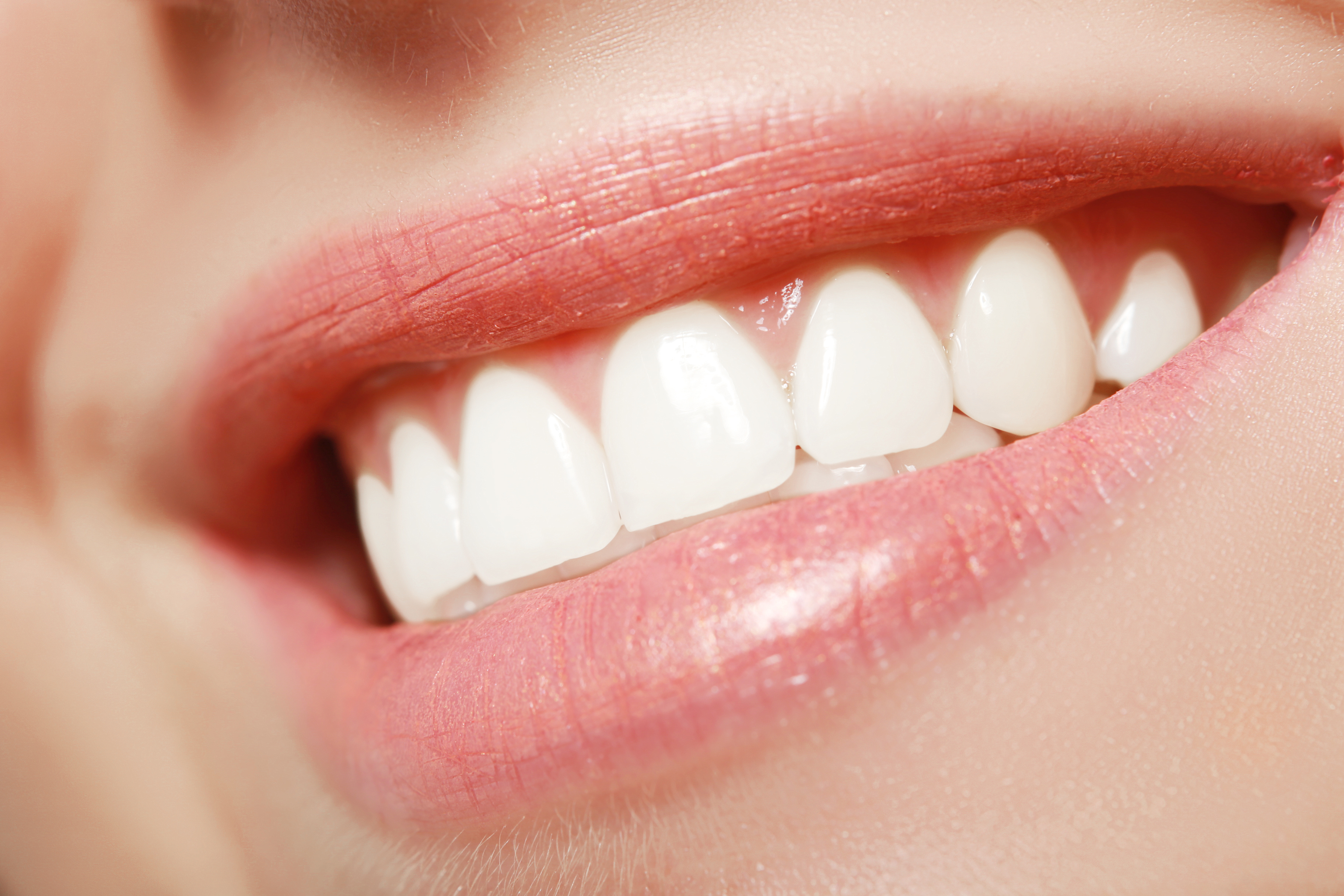
A bite problem is a function problem.
When the upper and lower teeth do not meet correctly, the consequences are mechanical — not cosmetic alone. Uneven contact concentrates force, wears enamel, and can strain the jaw joints.
Crowded or crossed teeth also trap plaque where a toothbrush cannot reach, raising the long-term risk of decay and gum disease. Some bite patterns are growth-related and easiest to guide while a child is still developing, which is why the American Association of Orthodontists recommends a first evaluation by age 7.
At NRH Orthodontics, most of these patterns are corrected with an aligner-first plan. Where a specific movement needs brackets — an impacted tooth or a severely tipped molar, for example — Dr. Fallah uses sectional braces as a short, precise step, then transitions back to aligners.
Common malocclusions
Each is a distinct clinical finding with its own consequences. An evaluation identifies which are present and how far they have progressed.
Crowding
The most common reason patients are referred. There is not enough room in the arch for the teeth to erupt and align, so they overlap and rotate. Crowded teeth trap plaque in places a brush cannot reach, which raises the risk of decay and gum disease over time.
Spacing
The opposite of crowding — more arch length than the teeth need, leaving visible gaps. It can follow a missing tooth or simply reflect a mismatch between tooth size and jaw size. Spacing is a functional finding, not only a cosmetic one.
Overbite
The upper front teeth extend too far down over the lower front teeth. A deep overbite can wear the lower teeth and, in some patients, presents as a gummy smile. Left uncorrected, the excess wear accelerates.
Upper front teeth protrusion
The upper front teeth sit too far forward — either because the upper teeth project or the lower teeth sit back. Beyond appearance, protruded front teeth are more exposed to injury.
Underbite
The lower front teeth close in front of the upper front teeth, usually because the lower jaw is positioned too far forward. Underbites are often growth-related, which is one reason early evaluation matters.
Crossbite
One or more upper teeth close inside the lower teeth rather than outside them. A crossbite can force the jaw to shift sideways to close, damage tooth structure, and steer jaw growth off course if left alone.
Open bite
The upper and lower front teeth do not overlap when the back teeth are together, leaving a gap. Open bites interfere with biting and chewing and are sometimes associated with a tongue-thrust habit.
Mismatched dental midlines
The center line of the upper teeth does not match the center line of the lower teeth, a sign the back bite is not fitting together as it should. It points to an underlying alignment or jaw-relationship issue.
Impacted teeth
A tooth that cannot fully erupt because it is blocked by other teeth or by a lack of space. Impacted teeth can be painful and prone to infection, and often need coordinated orthodontic guidance to bring into place.
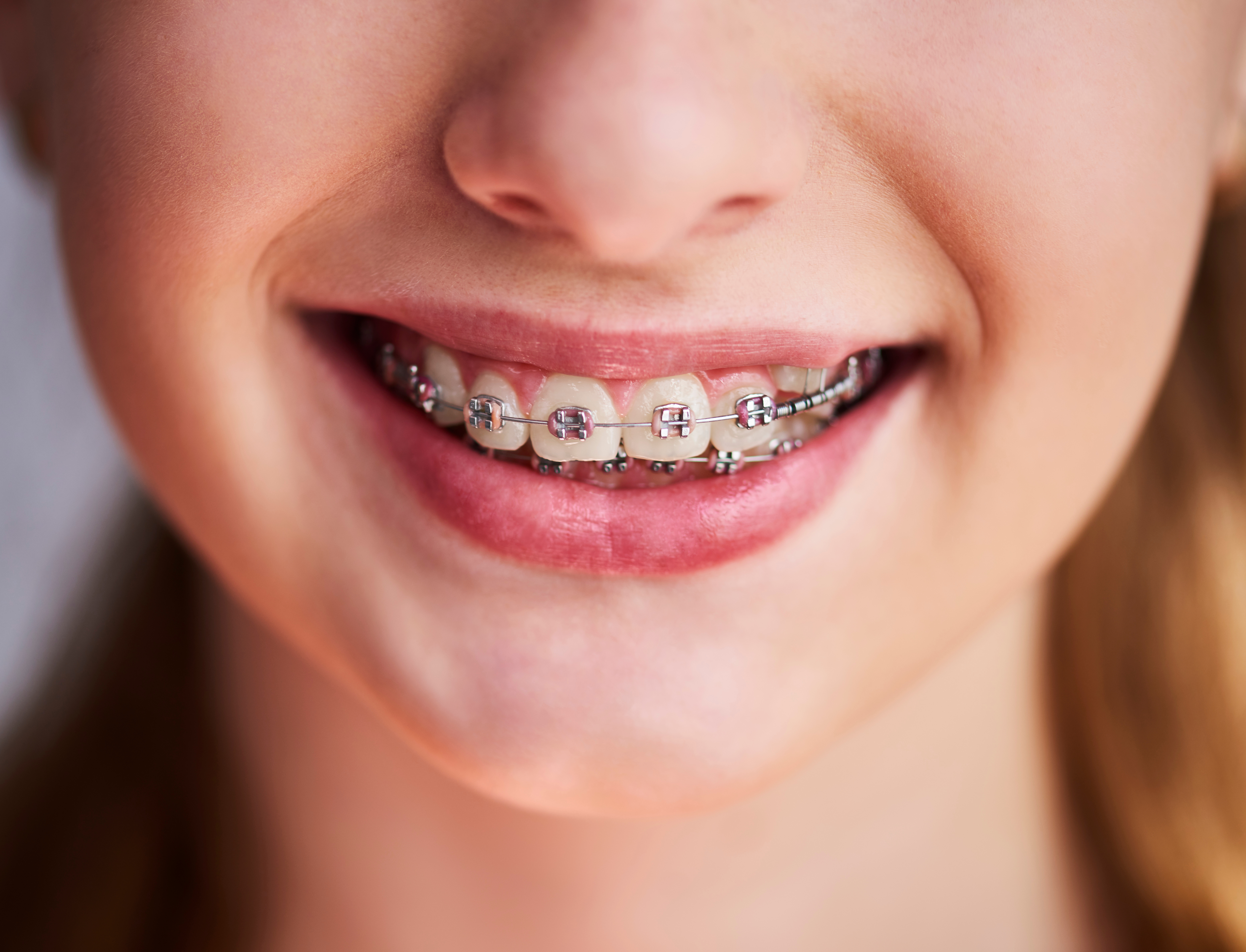
The bite is only part of the picture.
Every evaluation at NRH Orthodontics includes a low-radiation CBCT airway screening as part of a standard intake — so alignment is planned with bite, growth, and airway in view.
Next steps
Children & Teens
Why growth-related bite problems are simplest to guide when caught early.
Invisalign®
The aligner-first model built for the complex cases behind these bite patterns.
FAQs
Common questions about treatment timing, cost, and what a first visit involves.
Not sure which pattern applies to you? Request an evaluation.
09 — Intake
Begin with an evaluation.
Your first visit at NRH Orthodontics is a full evaluation — CBCT airway screening included — and a treatment plan you understand before you commit to anything.
Accepting new patients — North Richland Hills, TX